 VapeWholesaleHub
Butterscotch Ice Clearance Strategies That Protect Margin — Busy Buyers
Retailers rarely lose money on butterscotch ice because of price. They lose money because the first container was bought on a photograph. This page walks through what actually matters when you source butterscotch ice at scale, written from the buying desk rather than the marketing department.
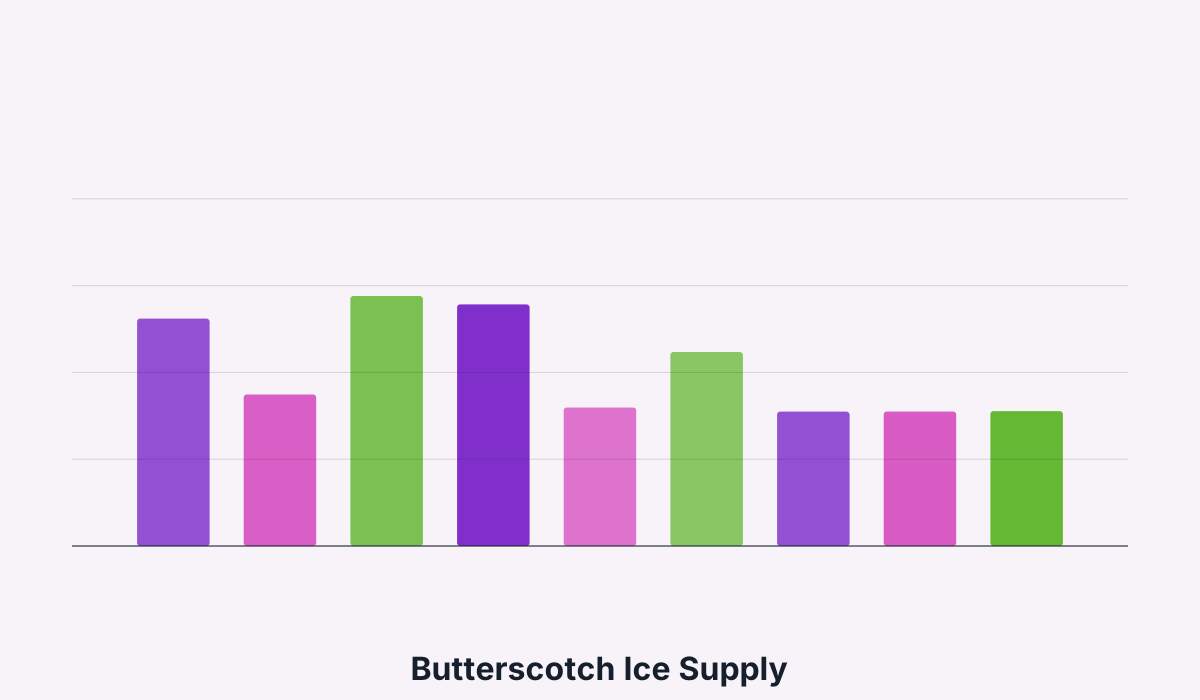
Where Demand Is Heading
Traceability is moving from a nice-to-have to a requirement in several butterscotch ice markets. Building the habit now is cheaper than retrofitting record keeping under pressure later.
Turning Butterscotch Ice Into Repeats
Put butterscotch ice where the decision is made, not where the margin is highest. In most stores that means near the counter or at eye level in the category, rather than wherever there is spare space.
Use your butterscotch ice staff training time on the two questions customers actually ask. Anything more detailed gets forgotten by the second shift.
What Butterscotch Ice Really Costs Landed
Build butterscotch ice price tiers around order sizes your customers actually place. Tiers that only make sense on a spreadsheet get ignored, and you end up discounting ad hoc instead.
When you model butterscotch ice pricing, build in a realistic shrink figure. Even a well run line loses a small percentage to damage, expiry and sampling. Pretending that number is zero is how a healthy looking margin turns negative.
Indicative reference points for planning purposes: entry tier from USD 1.46 per unit at 500 units, mid tier at USD 1.35, and volume tier at USD 0.52 for full container quantities. These figures move with specification, packaging and freight, so treat them as a shape rather than a quote.
Inspection Before Dispatch
Train whoever receives butterscotch ice cartons to note anything unusual at the point of unloading. Damage discovered at the dock is a freight claim; damage discovered a week later is your problem.
Most defects in butterscotch ice are not dramatic. They are loose tolerances, a slightly thin seal, a mouthpiece that clicks. Left alone they turn into leak complaints, which are the single most common reason a retailer drops a line.
- Start with a mixed carton and let your own sell-through decide.
- Agree the tolerance band in writing before approving artwork.
- Ask how the factory measures puff count, then compare like with like.
- Check carton dimensions against your freight quote before confirming.
- Keep sealed retained samples from every production batch.
Positioning Butterscotch Ice on Your Shelf
Range decisions for butterscotch ice should start from shelf space, not from a supplier catalogue. Count the facings you actually have, then decide how many of them this line deserves against what it currently earns.
Reading a Butterscotch Ice Spec Sheet
Good butterscotch ice specs describe the failure boundaries, not just the target. Stating what is unacceptable gives the factory a clear production window instead of a single point they will miss half the time.
Ask for the butterscotch ice specification in the same units you intend to measure in. A metric quoted in a form you cannot verify on arrival is not a specification, it is a claim.
| Product category | Closed pod |
|---|---|
| Resistance band | 1.0 - 1.2 ohm |
| Capacity tolerance | +/- 5% |
| Puff count method | Machine cycle 2s on / 18s off |
| Master carton | 240 units |
| Carton weight | 6.6 kg |
| Shelf life | 18 months |
| Storage | 15-25 C, dry, away from direct light |
Practical Checklist
- Rotate stock by batch code rather than by delivery date.
- Plan the switch from air to sea freight before you need it.
- Keep sealed retained samples from every production batch.
- Model landed cost, not ex-works price, when comparing quotes.
- Check carton dimensions against your freight quote before confirming.
- Start with a mixed carton and let your own sell-through decide.
Frequently Asked Questions
How long does a butterscotch ice order take to arrive?
Production typically takes ten to eighteen working days after artwork approval, and transit depends on the method you choose. Air express is fastest, sea freight is cheapest at volume. We confirm both at quotation so there is no surprise later.
Can I mix strengths in one order?
In most cases yes, as long as each strength meets the minimum run length. Mixed strength cartons are popular with retailers building their first display because they show the full ladder without over committing.
Is there support for in-store material?
Yes. Shelf talkers, counter cards and simple planogram suggestions are available for butterscotch ice ranges that reach a sensible volume. Most retailers find the plain strength and flavour cards do the most work.
What information do you need to quote?
Target specification, approximate quantity, destination and any packaging requirement. With those four we can usually come back with a costed option the same working day rather than a request for more information.
How should butterscotch ice be stored?
Cool, dry and out of direct sunlight. Heat and light are the two things that shorten shelf life fastest. Rotate stock by batch code rather than by arrival date, and keep cartons off concrete floors in humid warehouses.
Next Step
Nobody wins when a first order is too large to learn from. Start with a mixed carton, check how it moves in your own market, then scale the lines that earned the shelf space.
Related Reading
- Butterscotch Ice Tolerance Bands That Hold Up in Production — Freight Included
- Butterscotch Ice Airflow Design and Customer Perception — the Middle East
- Butterscotch Ice KPI Set for Wholesale Operations — the Buying Desk
- Butterscotch Ice Supplier Scorecard Template — First-Time Importers
- Butterscotch Ice Warranty Claims Workflow — Latin America
- Butterscotch Ice Finish Options and Perceived Quality — a Printable Checklist