 VapeWholesaleHub
Butterscotch Ice Counterfeit Risk and Serialisation — Low Minimum Quantities
Retailers rarely lose money on butterscotch ice because of price. They lose money because the first container was bought on a photograph. This page walks through what actually matters when you source butterscotch ice at scale, written from the buying desk rather than the marketing department.
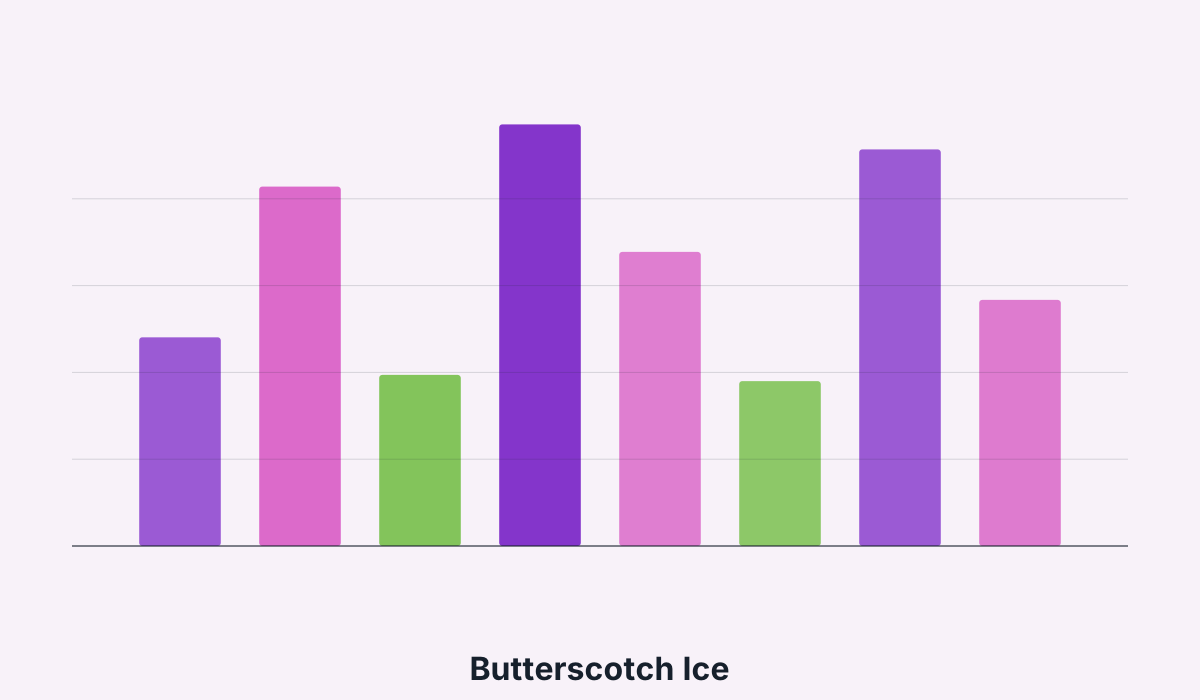
How Butterscotch Ice Fits the Assortment
One useful exercise: list every butterscotch ice line you stock and mark the last date each one sold at full price. Anything without a recent full price sale is taking space from something that would use it better.
Category planning for butterscotch ice works best when you map it against three shopper types: the restocker who already knows what they want, the switcher who wants something stronger, and the explorer who buys on flavour name alone.
Selling Butterscotch Ice at Store Level
A butterscotch ice display that answers strength and flavour without staff involvement outsells a prettier one that does not. Most customers will not ask, so the fixture has to do the work.
Market Signals
Demand for butterscotch ice has been steadily rebalancing. The early phase rewarded whoever could ship fastest; the current phase rewards whoever can ship the same thing twice. That shift favours buyers who invest in specification rather than price shopping.
One visible change in butterscotch ice is the move towards clearer labelling and traceability. Retailers who adopted batch coding early are finding it much easier to work with larger distributors now.
Pricing and Margin
Hold a small butterscotch ice buffer in your pricing model for currency movement. A few percent on a container is a real number, and it is easier to plan for than to absorb.
Indicative reference points for planning purposes: entry tier from USD 1.22 per unit at 500 units, mid tier at USD 1.16, and volume tier at USD 1.38 for full container quantities. These figures move with specification, packaging and freight, so treat them as a shape rather than a quote.
Quality Control in Practice
AQL sampling gets a lot of attention, but for butterscotch ice the more useful habit is simply measuring the same three things on every single batch. Trend lines catch problems that pass/fail checks miss.
- Check carton dimensions against your freight quote before confirming.
- Model landed cost, not ex-works price, when comparing quotes.
- Keep sealed retained samples from every production batch.
- Agree the tolerance band in writing before approving artwork.
- Start with a mixed carton and let your own sell-through decide.
Logistics That Protect Margin
Model butterscotch ice freight both ways before choosing a method: cost per unit and cost per week of delay. The second figure is the one that decides whether a cheap option was actually cheap.
Customs classification for butterscotch ice varies by market and changes from time to time. We ship with full documentation, but your broker should confirm the current code before your first order rather than after it lands.
Practical Checklist
- Confirm the current customs classification with your own broker.
- Agree the tolerance band in writing before approving artwork.
- Keep sealed retained samples from every production batch.
- Write the complaint threshold into the order terms.
- Rotate stock by batch code rather than by delivery date.
- Check carton dimensions against your freight quote before confirming.
Frequently Asked Questions
How are price changes handled on repeat orders?
{K} pricing is reviewed against input costs and volume rather than adjusted casually. Any change is confirmed in writing before the next order is scheduled, with the reason stated so you can judge it yourself.
What is the usual minimum order for butterscotch ice?
For a standard production run the minimum is normally one master carton per flavour, though mixed cartons can be arranged for a first order. If you are testing the line, ask about a sample pack first and treat the freight as part of your research budget.
Can I mix strengths in one order?
In most cases yes, as long as each strength meets the minimum run length. Mixed strength cartons are popular with retailers building their first display because they show the full ladder without over committing.
Can you match an existing product I already sell?
Often yes, provided we can measure it properly. Send a physical sample and we will report back on what can be matched, what will differ slightly, and why. An honest gap is more useful than a vague promise.
How do you handle a short shipment?
Cartons are counted and weighed before dispatch and the figures are shared with you. If something is short on arrival, the packing record and the carrier documentation are both available, which keeps the claim straightforward.
Next Step
If you take one thing from this page, take the retained sample habit. It costs a few units per batch and it is the difference between a disagreement and a decision.
Related Reading
- Butterscotch Ice Strengths Ladder for a Balanced Cabinet — Repeat Orders
- Butterscotch Ice Trade Show Buying Tactics — Specialist Vape Shops
- Butterscotch Ice Sell Through Tracking Without Expensive Tools — Regional Distributors
- Butterscotch Ice Case Study: From First Pallet to Repeat Container — Real Numbers Only
- Butterscotch Ice Print Methods for Cartons and Labels — Mixed Cabinets
- Butterscotch Ice Packaging Refresh Without Losing Recognition — Seasonal Demand Peaks