 VapeWholesaleHub
Butterscotch Ice Freight Forwarder Selection Notes — Duty and Tax Worked Out
Retailers rarely lose money on butterscotch ice because of price. They lose money because the first container was bought on a photograph. This page walks through what actually matters when you source butterscotch ice at scale, written from the buying desk rather than the marketing department.
Pricing and Margin
Tiered pricing works best when the tiers match real customer behaviour. Most butterscotch ice buyers will take the second tier if the step is modest and the third tier only if they can see a genuine reason to hold more stock.
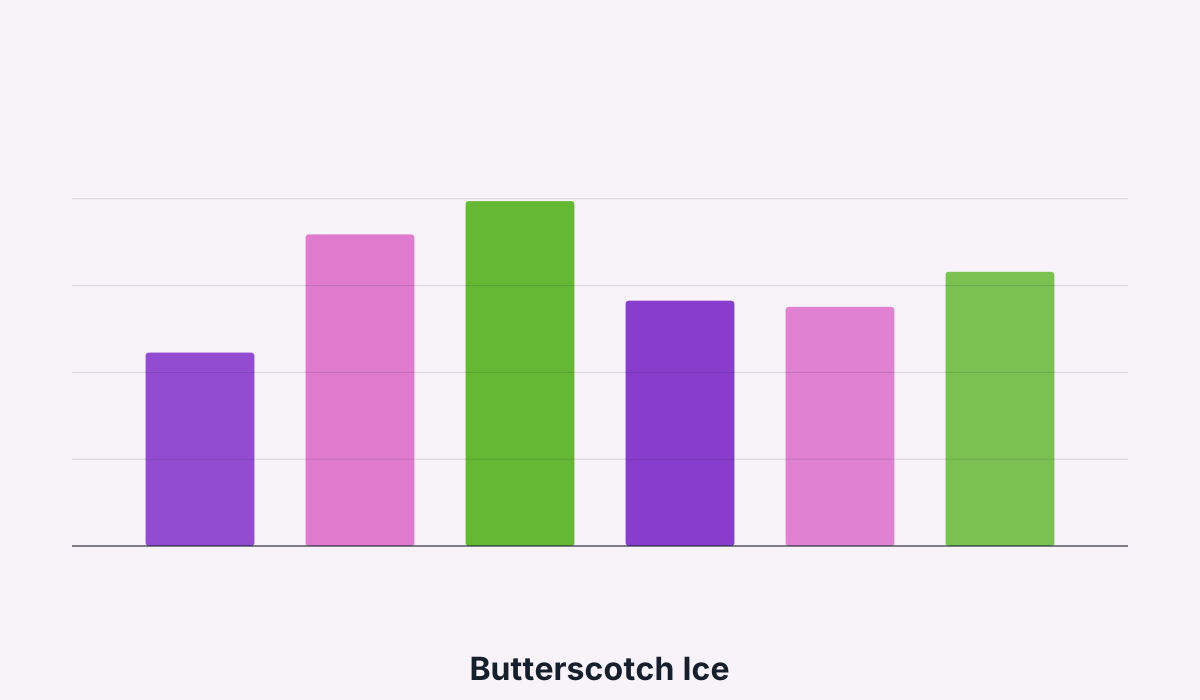
Indicative reference points for planning purposes: entry tier from USD 1.74 per unit at 500 units, mid tier at USD 1.14, and volume tier at USD 1.18 for full container quantities. These figures move with specification, packaging and freight, so treat them as a shape rather than a quote.
Merchandising and Listing Tips
Rotate butterscotch ice facing rather than price for the first month. Visibility changes sell-through more reliably than a small discount, and it does not train customers to wait for offers.
A butterscotch ice display that answers strength and flavour without staff involvement outsells a prettier one that does not. Most customers will not ask, so the fixture has to do the work.
Freight, Customs and Timing
Carton dimensions for butterscotch ice are a design decision, not a packing afterthought. A few centimetres on the master carton can change how many units fit a pallet, and that repeats on every order.
Split butterscotch ice shipments across two sailings when the order is large enough. It costs slightly more but removes the risk of a single event wiping out a full quarter of stock.
Inspection Before Dispatch
Incoming inspection for butterscotch ice is not about opening boxes at random. We weigh a sample of cartons, check batch codes against the production record, run a draw resistance measurement, and log the results so that a complaint three months later can be traced to a specific run.
Incoming inspection for butterscotch ice is not about opening boxes at random. We weigh a sample of cartons, check batch codes against the production record, run a draw resistance measurement, and log the results so that a complaint three months later can be traced to a specific run.
- Model landed cost, not ex-works price, when comparing quotes.
- Keep sealed retained samples from every production batch.
- Start with a mixed carton and let your own sell-through decide.
- Ask how the factory measures puff count, then compare like with like.
- Agree the tolerance band in writing before approving artwork.
What to Fix Before Approving Butterscotch Ice
Pay attention to how a butterscotch ice supplier responds when you ask for a tolerance they do not want to commit to. The hesitation is usually more informative than the eventual answer.
When we write a butterscotch ice specification with a distributor, we fix four things first: the resistance band, the liquid capacity tolerance, the puff count methodology and the packaging master carton. Everything else can flex without changing the customer experience.
| Product category | Refillable kit |
|---|---|
| Resistance band | 0.6 - 0.8 ohm |
| Capacity tolerance | +/- 2% |
| Puff count method | Declared by capacity |
| Master carton | 240 units |
| Carton weight | 6.3 kg |
| Shelf life | 24 months |
| Storage | 15-25 C, dry, away from direct light |
Where Butterscotch Ice Sits in the Range
Butterscotch Ice sits at an interesting point in the assortment. It is familiar enough to be an impulse purchase and specific enough to build a repeat pattern around. Treating it as either pure commodity or pure specialty both lead to poor results.
One useful exercise: list every butterscotch ice line you stock and mark the last date each one sold at full price. Anything without a recent full price sale is taking space from something that would use it better.
Practical Checklist
- Model landed cost, not ex-works price, when comparing quotes.
- Start with a mixed carton and let your own sell-through decide.
- Rotate stock by batch code rather than by delivery date.
- Plan the switch from air to sea freight before you need it.
- Confirm the current customs classification with your own broker.
- Ask how the factory measures puff count, then compare like with like.
Frequently Asked Questions
Is there a warranty on butterscotch ice?
Manufacturing defects are covered against the retained sample standard. Normal wear, misuse and damage after opening are not. We publish the threshold in the order terms so both sides know exactly what the claim process looks like.
What if I only need a small first order?
That is normal and sensible. A mixed carton lets you test butterscotch ice in your own market before committing to a production run, and the specification you approve at that stage carries through to larger orders unchanged.
How are price changes handled on repeat orders?
{K} pricing is reviewed against input costs and volume rather than adjusted casually. Any change is confirmed in writing before the next order is scheduled, with the reason stated so you can judge it yourself.
Is there support for in-store material?
Yes. Shelf talkers, counter cards and simple planogram suggestions are available for butterscotch ice ranges that reach a sensible volume. Most retailers find the plain strength and flavour cards do the most work.
Next Step
Start smaller than feels comfortable, measure honestly, then scale what worked. That sequence has saved more of our customers money than any negotiation tactic we could suggest.
Related Reading
- Butterscotch Ice Electronic Data Interchange for Large Accounts — Busy Buyers
- Butterscotch Ice Specification Change Control — Established Chains
- Butterscotch Ice Temperature Exposure During Transit — Private Label Programmes
- Comparing Butterscotch Ice Factory Tiers and What You Get — EU Markets
- Butterscotch Ice Compliance Basics for Importers — UK and Ireland
- Butterscotch Ice Chargeback Prevention for Retail Partners — a Factory Floor View