 VapeWholesaleHub
Butterscotch Ice Retail Price Architecture Across Channels — Multi-Warehouse Networks
Retailers rarely lose money on butterscotch ice because of price. They lose money because the first container was bought on a photograph. This page walks through what actually matters when you source butterscotch ice at scale, written from the buying desk rather than the marketing department.
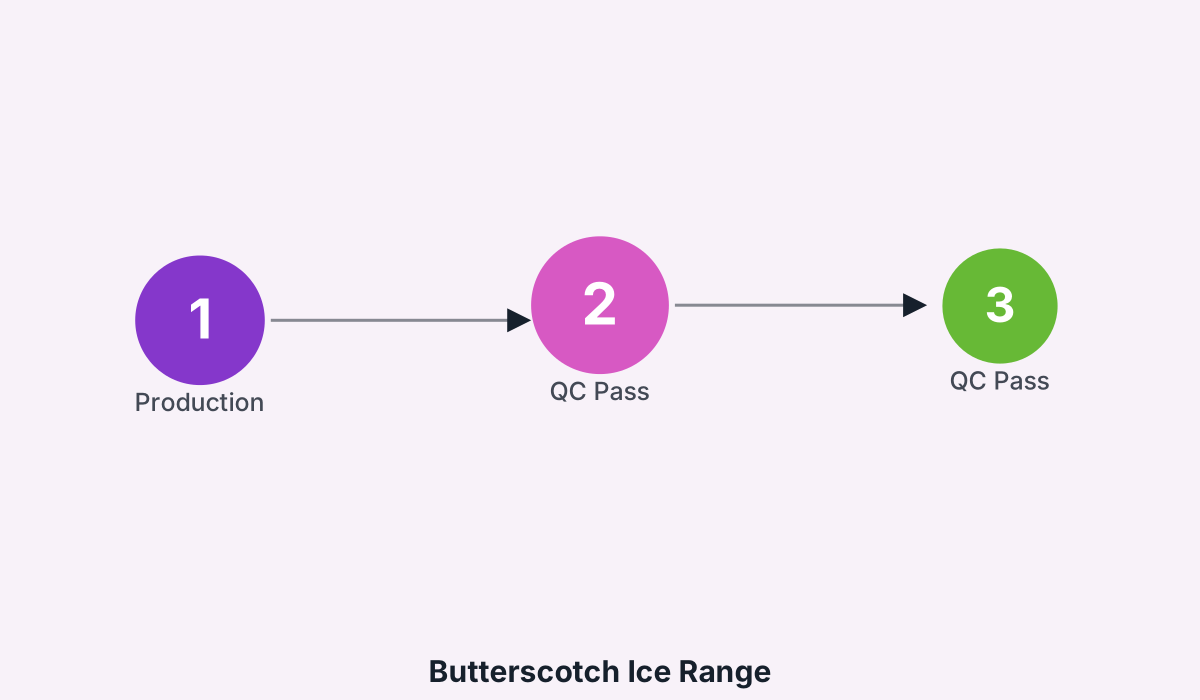
Where Demand Is Heading
Demand for butterscotch ice has been steadily rebalancing. The early phase rewarded whoever could ship fastest; the current phase rewards whoever can ship the same thing twice. That shift favours buyers who invest in specification rather than price shopping.
Freight, Customs and Timing
Track butterscotch ice landed cost per unit as a running number, including duty and local delivery. It is the only figure that tells you whether a supplier change actually improved anything.
Where Butterscotch Ice Sits in the Range
Category planning for butterscotch ice works best when you map it against three shopper types: the restocker who already knows what they want, the switcher who wants something stronger, and the explorer who buys on flavour name alone.
One useful exercise: list every butterscotch ice line you stock and mark the last date each one sold at full price. Anything without a recent full price sale is taking space from something that would use it better.
The Specification That Matters
Two specifications that matter more than buyers expect: the seal integrity after a drop test and the consistency of the draw from first use to last. Both are measurable before you commit to volume.
| Product category | Open system |
|---|---|
| Resistance band | 0.6 - 0.8 ohm |
| Capacity tolerance | +/- 3% |
| Puff count method | Declared by capacity |
| Master carton | 120 units |
| Carton weight | 7.5 kg |
| Shelf life | 12 months |
| Storage | 15-25 C, dry, away from direct light |
Pricing and Margin
Watch the butterscotch ice price you pay over a year rather than per order. Factories respond well to visible volume, and a quarterly review is usually worth more than a hard negotiation each time.
When butterscotch ice input costs move, ask which component moved. A generic price increase hides whether you are paying for cells, packaging or simply a busy production calendar.
Indicative reference points for planning purposes: entry tier from USD 1.15 per unit at 2000 units, mid tier at USD 1.04, and volume tier at USD 0.74 for full container quantities. These figures move with specification, packaging and freight, so treat them as a shape rather than a quote.
Practical Checklist
- Model landed cost, not ex-works price, when comparing quotes.
- Rotate stock by batch code rather than by delivery date.
- Write the complaint threshold into the order terms.
- Plan the switch from air to sea freight before you need it.
- Ask how the factory measures puff count, then compare like with like.
- Keep sealed retained samples from every production batch.
Frequently Asked Questions
What does a sample pack usually include?
A typical butterscotch ice sample pack covers the strengths or variants you are most likely to list, packed so you can evaluate them side by side. Tell us which lines you are considering and we will match the pack to that rather than sending a generic selection.
How do you handle a short shipment?
Cartons are counted and weighed before dispatch and the figures are shared with you. If something is short on arrival, the packing record and the carrier documentation are both available, which keeps the claim straightforward.
How are price changes handled on repeat orders?
{K} pricing is reviewed against input costs and volume rather than adjusted casually. Any change is confirmed in writing before the next order is scheduled, with the reason stated so you can judge it yourself.
What if a batch does not match the sample?
Keep the retained samples from the approval stage. If a delivered batch measurably differs, we compare against the retained set and resolve it against the production record. This is why we insist on sealed retained units from every run.
How long does a butterscotch ice order take to arrive?
Production typically takes ten to eighteen working days after artwork approval, and transit depends on the method you choose. Air express is fastest, sea freight is cheapest at volume. We confirm both at quotation so there is no surprise later.
Next Step
Questions that are not answered here are usually the interesting ones. Reach out with the specifics of your market and we will answer with numbers rather than adjectives.
Related Reading
- Butterscotch Ice Forecasting Without Historical Data — Tight Margin Categories
- Butterscotch Ice Auditing Your Own Supply Chain — New Distributors
- Butterscotch Ice Insurance Valuation for Held Stock — a Factory Floor View
- Butterscotch Ice Copy That Answers Buyer Objections — Real Numbers Only
- Butterscotch Ice Nicotine Strength Selection for Mixed Cabinets — Landed Cost Worked Through
- Butterscotch Ice Communication Cadence With Overseas Suppliers — Before Your Next Order