 VapeWholesaleHub
Butterscotch Ice Retail Price Architecture Across Channels — the Middle East
We ship butterscotch ice to distributors in very different markets, and the same five questions come up almost every week. Rather than answer them in email each time, we have written them out properly here.

Freight, Customs and Timing
Split butterscotch ice shipments across two sailings when the order is large enough. It costs slightly more but removes the risk of a single event wiping out a full quarter of stock.
Ask your forwarder for the butterscotch ice transit history on your lane, not the advertised schedule. The gap between the two is the buffer you should build into your reorder point.
Trends Worth Watching
Flavour cycles in butterscotch ice are shortening, which argues for smaller test orders and faster feedback loops rather than large speculative buys on a predicted winner.
What Butterscotch Ice Really Costs Landed
Tiered pricing works best when the tiers match real customer behaviour. Most butterscotch ice buyers will take the second tier if the step is modest and the third tier only if they can see a genuine reason to hold more stock.
When butterscotch ice input costs move, ask which component moved. A generic price increase hides whether you are paying for cells, packaging or simply a busy production calendar.
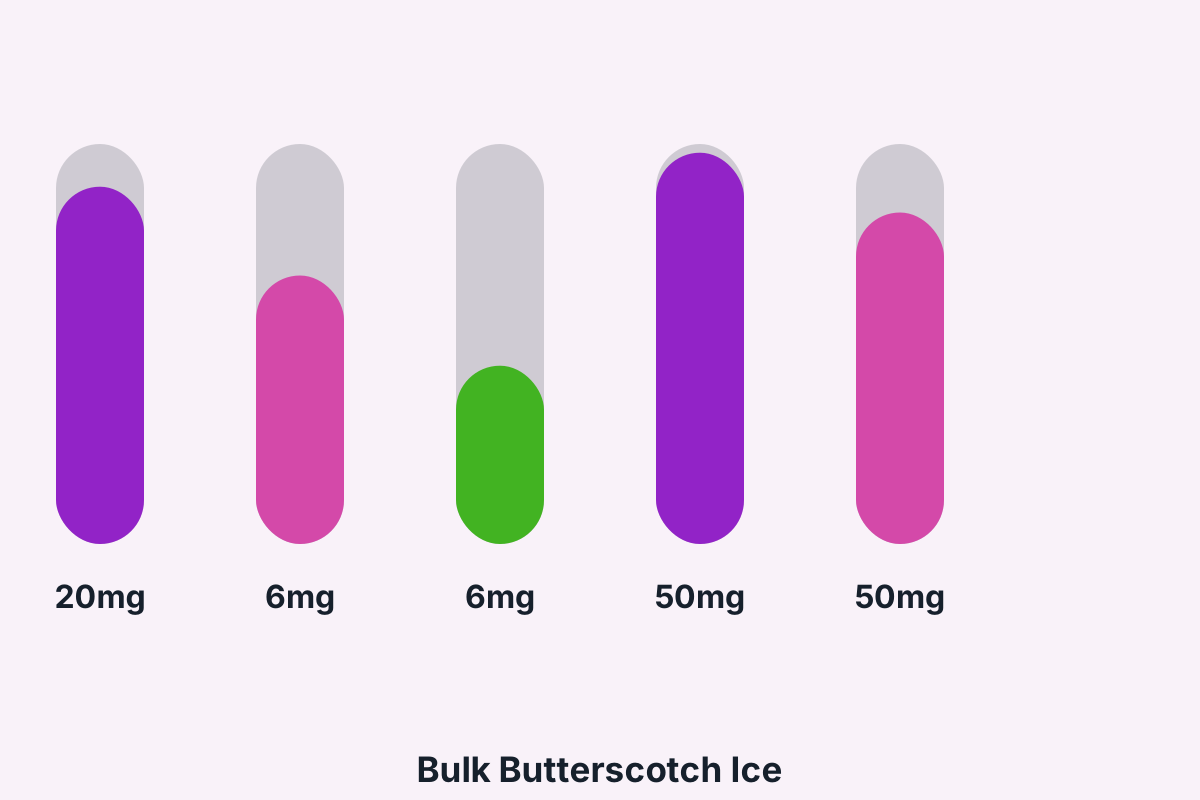
Indicative reference points for planning purposes: entry tier from USD 1.24 per unit at 1000 units, mid tier at USD 1.65, and volume tier at USD 0.60 for full container quantities. These figures move with specification, packaging and freight, so treat them as a shape rather than a quote.
Selling Butterscotch Ice at Store Level
Staff knowledge moves butterscotch ice more than any fixture. A two minute explanation of the difference between this line and the one next to it converts a browsing shopper into a repeat buyer far more reliably than a discount.
Put butterscotch ice where the decision is made, not where the margin is highest. In most stores that means near the counter or at eye level in the category, rather than wherever there is spare space.
Inspection Before Dispatch
Set the butterscotch ice complaint threshold in the contract before you need it. Deciding what counts as an acceptable defect rate during a dispute is the worst possible time to negotiate it.
- Rotate stock by batch code rather than by delivery date.
- Model landed cost, not ex-works price, when comparing quotes.
- Check carton dimensions against your freight quote before confirming.
- Confirm the current customs classification with your own broker.
- Start with a mixed carton and let your own sell-through decide.
The Specification That Matters
Good butterscotch ice specs describe the failure boundaries, not just the target. Stating what is unacceptable gives the factory a clear production window instead of a single point they will miss half the time.
| Product category | Refillable kit |
|---|---|
| Resistance band | 1.0 - 1.2 ohm |
| Capacity tolerance | +/- 3% |
| Puff count method | Declared by capacity |
| Master carton | 400 units |
| Carton weight | 8.1 kg |
| Shelf life | 18 months |
| Storage | 15-25 C, dry, away from direct light |
Practical Checklist
- Plan the switch from air to sea freight before you need it.
- Confirm the current customs classification with your own broker.
- Write the complaint threshold into the order terms.
- Agree the tolerance band in writing before approving artwork.
- Start with a mixed carton and let your own sell-through decide.
- Ask how the factory measures puff count, then compare like with like.
Frequently Asked Questions
Do you provide compliance documents?
Every shipment leaves with the documentation set relevant to your market, including batch records and test reports where required. Your local rules still determine what you must file, so confirm those with your broker before import.
What if a batch does not match the sample?
Keep the retained samples from the approval stage. If a delivered batch measurably differs, we compare against the retained set and resolve it against the production record. This is why we insist on sealed retained units from every run.
Do you hold stock for regular customers?
For established programmes we can reserve production slots and, in some cases, hold finished butterscotch ice stock against a forecast. It removes most of the lead time risk from a reorder and is worth discussing once volumes are stable.
How are price changes handled on repeat orders?
{K} pricing is reviewed against input costs and volume rather than adjusted casually. Any change is confirmed in writing before the next order is scheduled, with the reason stated so you can judge it yourself.
Next Step
Whether you order from us or elsewhere, keep a retained sample from every batch. It costs almost nothing and it is the single most effective protection available to a butterscotch ice buyer.
Related Reading
- Reading a Butterscotch Ice Quotation Line by Line — First-Time Importers
- Butterscotch Ice Copy That Answers Buyer Objections — the Middle East
- Butterscotch Ice Regulatory Change Monitoring — a Factory Floor View
- Butterscotch Ice First Order Playbook for New Importers — Cross-Border Trade
- Spotting Defects in Butterscotch Ice Before Shipment — Repeat Orders
- Butterscotch Ice Handling, Labeling and Regulatory Paperwork — Highly Regulated Markets