 VapeWholesaleHub
Butterscotch Ice Strengths Ladder for a Balanced Cabinet — a Printable Checklist
There is no clever trick to buying butterscotch ice well. There is a short list of things worth checking and a long list of things that distract from them. This page is an attempt at the short list.
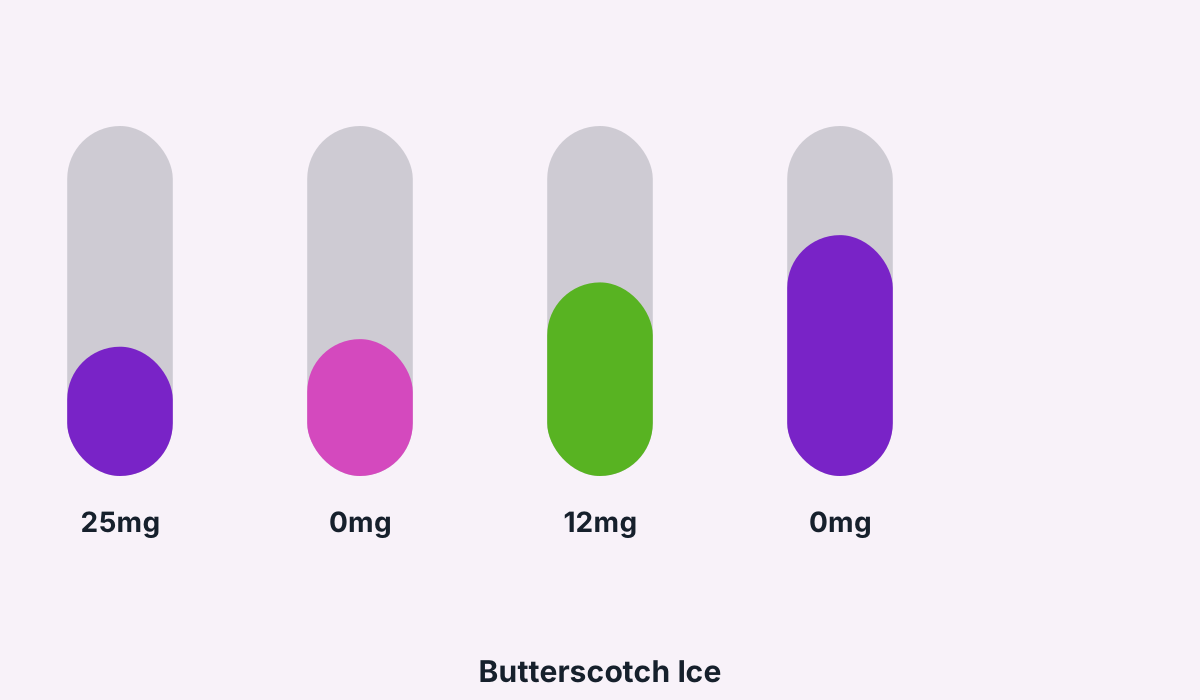
Where Butterscotch Ice Sits in the Range
Think about where butterscotch ice sits in your customer's week. If it is a weekly restock, breadth matters less than availability. If it is an occasional treat, flavour range and display story carry more weight.
Selling Butterscotch Ice at Store Level
On shelf, butterscotch ice sells on clarity. A plain shelf talker that states strength and flavour in two words outperforms a beautifully designed but vague display, because most purchase decisions here take under ten seconds.
Use your butterscotch ice staff training time on the two questions customers actually ask. Anything more detailed gets forgotten by the second shift.
What Butterscotch Ice Really Costs Landed
The cheapest butterscotch ice quote is rarely the cheapest outcome. Add freight, defect handling, delay risk and the staff time spent chasing, then compare again. The ranking often changes.
Indicative reference points for planning purposes: entry tier from USD 1.66 per unit at 2000 units, mid tier at USD 1.79, and volume tier at USD 1.25 for full container quantities. These figures move with specification, packaging and freight, so treat them as a shape rather than a quote.
Inspection Before Dispatch
Set the butterscotch ice complaint threshold in the contract before you need it. Deciding what counts as an acceptable defect rate during a dispute is the worst possible time to negotiate it.
Inspection is only useful if the result is recorded somewhere you can find it later. A butterscotch ice batch log with weights, codes and measurements turns a future complaint into a five minute lookup.
- Confirm the current customs classification with your own broker.
- Plan the switch from air to sea freight before you need it.
- Check carton dimensions against your freight quote before confirming.
- Keep sealed retained samples from every production batch.
- Agree the tolerance band in writing before approving artwork.
What to Fix Before Approving Butterscotch Ice
Where possible, tie part of the butterscotch ice payment to inspection against the written spec. It focuses attention on the numbers rather than on the relationship.
| Product category | Open system |
|---|---|
| Resistance band | 1.0 - 1.2 ohm |
| Capacity tolerance | +/- 5% |
| Puff count method | Declared by capacity |
| Master carton | 240 units |
| Carton weight | 8.9 kg |
| Shelf life | 24 months |
| Storage | 15-25 C, dry, away from direct light |

Practical Checklist
- Write the complaint threshold into the order terms.
- Start with a mixed carton and let your own sell-through decide.
- Rotate stock by batch code rather than by delivery date.
- Ask how the factory measures puff count, then compare like with like.
- Model landed cost, not ex-works price, when comparing quotes.
- Agree the tolerance band in writing before approving artwork.
Frequently Asked Questions
What is the usual minimum order for butterscotch ice?
For a standard production run the minimum is normally one master carton per flavour, though mixed cartons can be arranged for a first order. If you are testing the line, ask about a sample pack first and treat the freight as part of your research budget.
How should butterscotch ice be stored?
Cool, dry and out of direct sunlight. Heat and light are the two things that shorten shelf life fastest. Rotate stock by batch code rather than by arrival date, and keep cartons off concrete floors in humid warehouses.
Can the packaging be customised?
Yes. Most butterscotch ice programmes use private label packaging once volumes justify the printing plate. We supply dielines, check your artwork for print issues and hold approved files so reorders need no new setup.
Can I visit the production facility?
Yes, and we encourage it for larger programmes. Visits are most useful when you already have a draft specification, because you can then check the specific processes behind the numbers you care about.
What if a batch does not match the sample?
Keep the retained samples from the approval stage. If a delivered batch measurably differs, we compare against the retained set and resolve it against the production record. This is why we insist on sealed retained units from every run.
Next Step
Nobody wins when a first order is too large to learn from. Start with a mixed carton, check how it moves in your own market, then scale the lines that earned the shelf space.
Related Reading
- Butterscotch Ice Protecting Your Private Label Design — Warehouse Teams
- Butterscotch Ice KPI Set for Wholesale Operations — Cross-Border Trade
- Butterscotch Ice Protecting Your Private Label Design — Southeast Asia
- Butterscotch Ice Payment Terms and Risk Management — Three Price Tiers
- Butterscotch Ice Specifications Every Buyer Should Check — Premium Shelf Programmes
- Butterscotch Ice Customer Education That Reduces Complaints — Highly Regulated Markets