 VapeWholesaleHub
Butterscotch Ice Temperature Exposure During Transit — High Volume Buyers
There is no clever trick to buying butterscotch ice well. There is a short list of things worth checking and a long list of things that distract from them. This page is an attempt at the short list.

Selling Butterscotch Ice at Store Level
Online, shoot butterscotch ice at a consistent scale across the range. Customers compare by eye, and inconsistent product photography creates returns that have nothing to do with the product.
Where Butterscotch Ice Sits in the Range
Decide early whether butterscotch ice is a traffic driver or a margin line in your store. The answer changes how you price it, where you place it and how hard you push it at the counter.
Butterscotch Ice sits at an interesting point in the assortment. It is familiar enough to be an impulse purchase and specific enough to build a repeat pattern around. Treating it as either pure commodity or pure specialty both lead to poor results.
What Butterscotch Ice Really Costs Landed
When butterscotch ice input costs move, ask which component moved. A generic price increase hides whether you are paying for cells, packaging or simply a busy production calendar.
Hold a small butterscotch ice buffer in your pricing model for currency movement. A few percent on a container is a real number, and it is easier to plan for than to absorb.
Indicative reference points for planning purposes: entry tier from USD 1.74 per unit at 1000 units, mid tier at USD 0.74, and volume tier at USD 1.47 for full container quantities. These figures move with specification, packaging and freight, so treat them as a shape rather than a quote.
The Specification That Matters
Pay attention to how a butterscotch ice supplier responds when you ask for a tolerance they do not want to commit to. The hesitation is usually more informative than the eventual answer.
Revisit the butterscotch ice specification after every third order. Small improvements compound, and factories take a buyer more seriously when the document has clearly been used.
| Product category | Refillable kit |
|---|---|
| Resistance band | 1.0 - 1.2 ohm |
| Capacity tolerance | +/- 3% |
| Puff count method | Machine cycle 3s on / 27s off |
| Master carton | 100 units |
| Carton weight | 4.7 kg |
| Shelf life | 24 months |
| Storage | 15-25 C, dry, away from direct light |
Logistics That Protect Margin
Freight is the hidden half of butterscotch ice unit economics. A denser master carton can save more per unit than a hard negotiation on factory price, because the saving repeats on every reorder rather than once.
Customs classification for butterscotch ice varies by market and changes from time to time. We ship with full documentation, but your broker should confirm the current code before your first order rather than after it lands.
How Butterscotch Ice Batches Are Checked
The cheapest quality control step is a retained sample. Keeping three sealed units from every butterscotch ice batch costs almost nothing and turns any dispute into a simple comparison instead of an argument over photographs.
- Plan the switch from air to sea freight before you need it.
- Model landed cost, not ex-works price, when comparing quotes.
- Rotate stock by batch code rather than by delivery date.
- Confirm the current customs classification with your own broker.
- Keep sealed retained samples from every production batch.
Practical Checklist
- Check carton dimensions against your freight quote before confirming.
- Confirm the current customs classification with your own broker.
- Model landed cost, not ex-works price, when comparing quotes.
- Rotate stock by batch code rather than by delivery date.
- Ask how the factory measures puff count, then compare like with like.
- Agree the tolerance band in writing before approving artwork.
Frequently Asked Questions
How are price changes handled on repeat orders?
{K} pricing is reviewed against input costs and volume rather than adjusted casually. Any change is confirmed in writing before the next order is scheduled, with the reason stated so you can judge it yourself.
How do you handle a short shipment?
Cartons are counted and weighed before dispatch and the figures are shared with you. If something is short on arrival, the packing record and the carrier documentation are both available, which keeps the claim straightforward.
Do you provide compliance documents?
Every shipment leaves with the documentation set relevant to your market, including batch records and test reports where required. Your local rules still determine what you must file, so confirm those with your broker before import.
Can I mix strengths in one order?
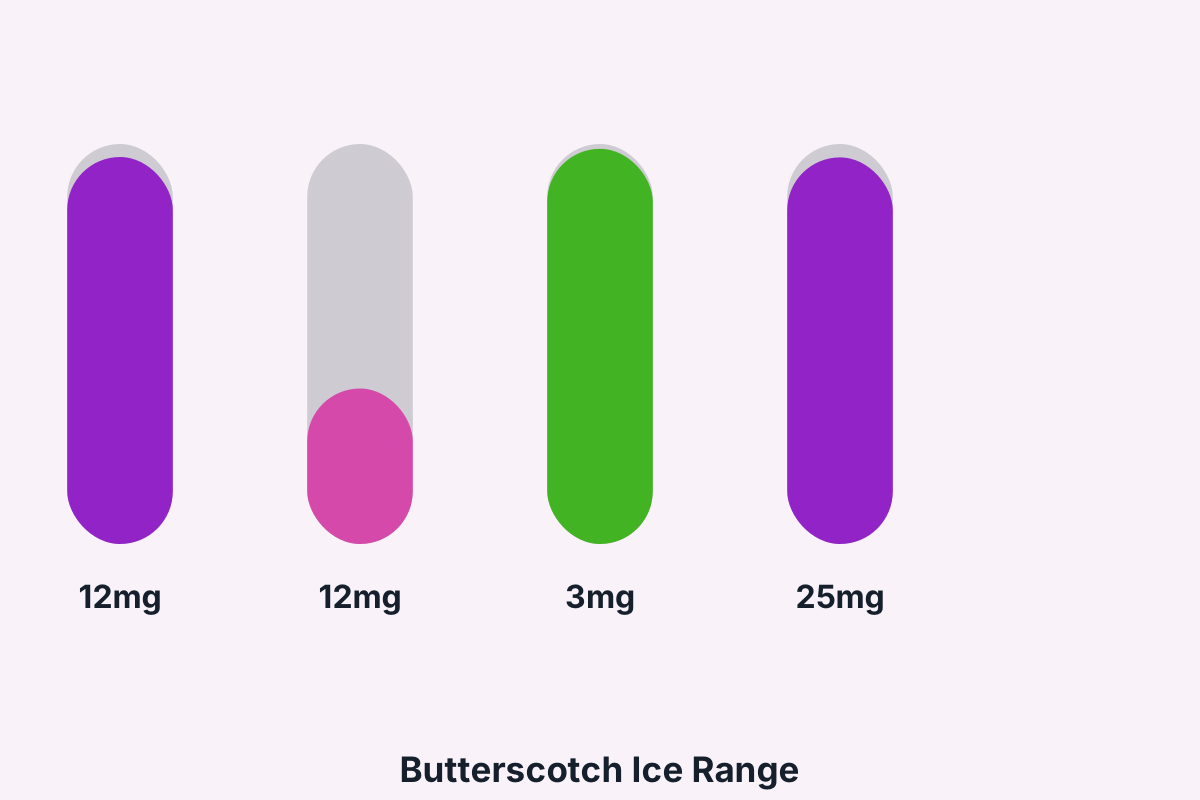
In most cases yes, as long as each strength meets the minimum run length. Mixed strength cartons are popular with retailers building their first display because they show the full ladder without over committing.
What if I only need a small first order?
That is normal and sensible. A mixed carton lets you test butterscotch ice in your own market before committing to a production run, and the specification you approve at that stage carries through to larger orders unchanged.
Next Step
We would rather quote you accurately and lose the order than quote optimistically and lose the relationship. Ask us the awkward questions early.
Related Reading
- Butterscotch Ice Regulatory Change Monitoring — Busy Buyers
- Butterscotch Ice Child Resistant Closure Considerations — Cash-and-Carry Formats
- Butterscotch Ice Growing From Pallet to Container — Landed Cost Worked Through
- Butterscotch Ice Product Listings That Actually Convert — Updated for 2026
- Butterscotch Ice Negotiation Timing Through the Production Year — North America
- Comparing Butterscotch Ice Factory Tiers and What You Get — Duty and Tax Worked Out