 VapeWholesaleHub
Negotiating Butterscotch Ice Contracts With Overseas Factories — Landed Cost Worked Through
Buyers often ask us to explain why two butterscotch ice samples that look identical behave differently after a month. The answer is almost always tolerance control, and it is more interesting than it sounds.
Quality Control in Practice
The defect rate that matters is the one your customer experiences, not the one the factory reports. Bridge that gap by inspecting the way a customer would open the box, not the way a line worker packs it.
The defect rate that matters is the one your customer experiences, not the one the factory reports. Bridge that gap by inspecting the way a customer would open the box, not the way a line worker packs it.
- Agree the tolerance band in writing before approving artwork.
- Start with a mixed carton and let your own sell-through decide.
- Keep sealed retained samples from every production batch.
- Ask how the factory measures puff count, then compare like with like.
- Plan the switch from air to sea freight before you need it.
Modelling a Healthy Margin
When you model butterscotch ice pricing, build in a realistic shrink figure. Even a well run line loses a small percentage to damage, expiry and sampling. Pretending that number is zero is how a healthy looking margin turns negative.
The cheapest butterscotch ice quote is rarely the cheapest outcome. Add freight, defect handling, delay risk and the staff time spent chasing, then compare again. The ranking often changes.
Indicative reference points for planning purposes: entry tier from USD 0.89 per unit at 1000 units, mid tier at USD 1.37, and volume tier at USD 0.54 for full container quantities. These figures move with specification, packaging and freight, so treat them as a shape rather than a quote.
Getting Butterscotch Ice to Your Warehouse
Plan the butterscotch ice customs paperwork at the same time as the order, not when the goods are on the water. A missing document costs more in demurrage than the entire freight saving from a cheap forwarder.

How Butterscotch Ice Fits the Assortment
A tight butterscotch ice range with deep availability usually outsells a wide range with thin stock. Customers who find their line in stock come back; customers who are told to wait do not.
Think about where butterscotch ice sits in your customer's week. If it is a weekly restock, breadth matters less than availability. If it is an occasional treat, flavour range and display story carry more weight.
Selling Butterscotch Ice at Store Level
Bundle butterscotch ice with a complementary item rather than discounting it outright. The perceived value holds up better and the second item often becomes a repeat purchase on its own.
Practical Checklist
- Check carton dimensions against your freight quote before confirming.
- Plan the switch from air to sea freight before you need it.
- Model landed cost, not ex-works price, when comparing quotes.
- Start with a mixed carton and let your own sell-through decide.
- Rotate stock by batch code rather than by delivery date.
- Write the complaint threshold into the order terms.
Frequently Asked Questions
How are price changes handled on repeat orders?
{K} pricing is reviewed against input costs and volume rather than adjusted casually. Any change is confirmed in writing before the next order is scheduled, with the reason stated so you can judge it yourself.
Do you provide compliance documents?
Every shipment leaves with the documentation set relevant to your market, including batch records and test reports where required. Your local rules still determine what you must file, so confirm those with your broker before import.
Can you match an existing product I already sell?
Often yes, provided we can measure it properly. Send a physical sample and we will report back on what can be matched, what will differ slightly, and why. An honest gap is more useful than a vague promise.
Can I mix strengths in one order?
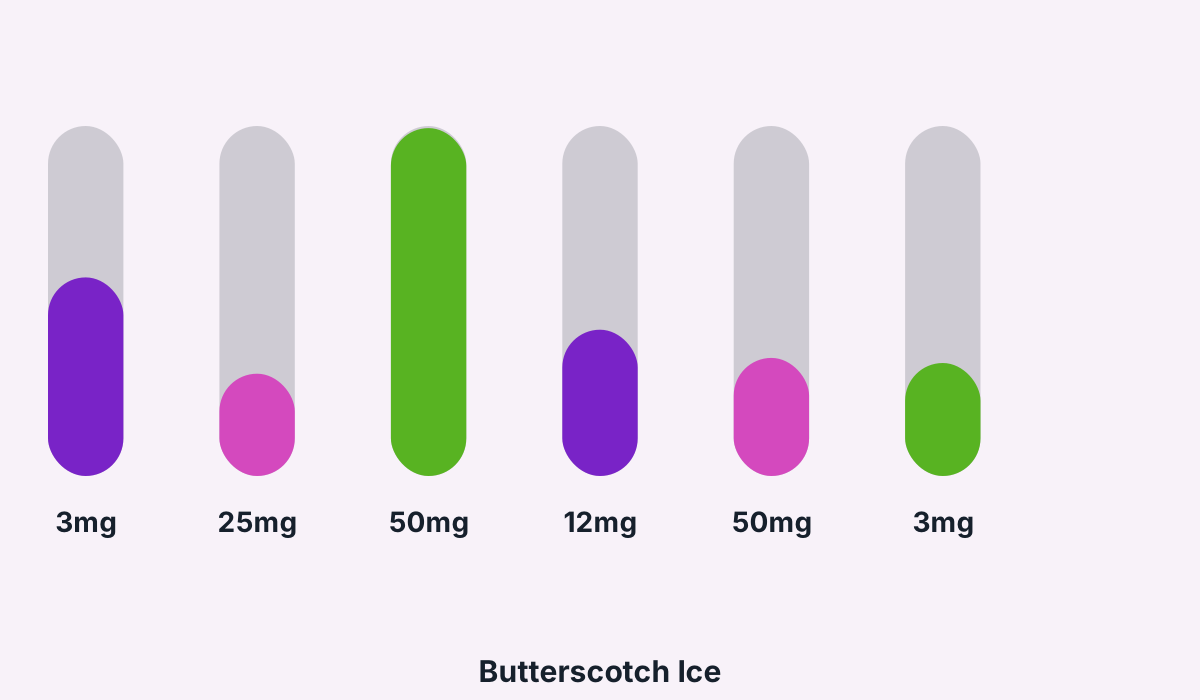
In most cases yes, as long as each strength meets the minimum run length. Mixed strength cartons are popular with retailers building their first display because they show the full ladder without over committing.
How do you handle a short shipment?
Cartons are counted and weighed before dispatch and the figures are shared with you. If something is short on arrival, the packing record and the carrier documentation are both available, which keeps the claim straightforward.
Next Step
Start smaller than feels comfortable, measure honestly, then scale what worked. That sequence has saved more of our customers money than any negotiation tactic we could suggest.
Related Reading
- Butterscotch Ice Warranty Claims Workflow — Mixed Cabinets
- Butterscotch Ice Market Entry Checklist for New Territories — the Middle East
- Butterscotch Ice Communication Cadence With Overseas Suppliers — Warehouse Teams
- Butterscotch Ice Print Methods for Cartons and Labels — Repeat Orders
- Butterscotch Ice Product Testing Laboratories Explained — Convenience Retail
- Private Label Butterscotch Ice: Steps From Idea to Carton — Seasonal Demand Peaks