 VapeWholesaleHub
Understanding Butterscotch Ice Manufacturing From the Inside — EU Markets
The price difference between two butterscotch ice quotes is often smaller than the cost of one failed shipment. This overview is written for buyers who would rather understand the failure modes up front than discover them after customs clearance.
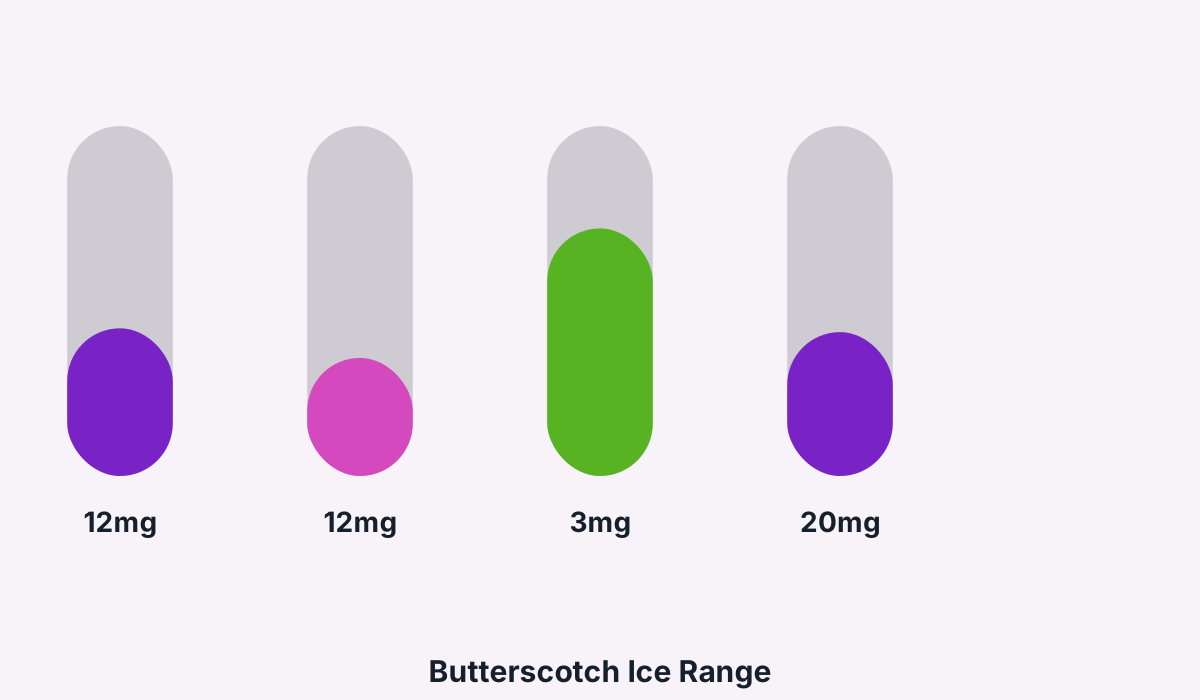
Where Demand Is Heading
Expect butterscotch ice packaging requirements to keep tightening. Designs that leave room for additional labelling age better than tight layouts that need a full reprint to comply.
Traceability is moving from a nice-to-have to a requirement in several butterscotch ice markets. Building the habit now is cheaper than retrofitting record keeping under pressure later.
What to Fix Before Approving Butterscotch Ice
Ask any factory for the same butterscotch ice sample twice, three months apart. If the second sample drifts, the production line is running without statistical control and your reviews will drift with it. Consistency over time is a more useful signal than a single good sample.
When we write a butterscotch ice specification with a distributor, we fix four things first: the resistance band, the liquid capacity tolerance, the puff count methodology and the packaging master carton. Everything else can flex without changing the customer experience.
| Product category | Disposable |
|---|---|
| Resistance band | 0.6 - 0.8 ohm |
| Capacity tolerance | +/- 5% |
| Puff count method | Machine cycle 3s on / 27s off |
| Master carton | 120 units |
| Carton weight | 7.5 kg |
| Shelf life | 12 months |
| Storage | 15-25 C, dry, away from direct light |
Inspection Before Dispatch
Incoming inspection for butterscotch ice is not about opening boxes at random. We weigh a sample of cartons, check batch codes against the production record, run a draw resistance measurement, and log the results so that a complaint three months later can be traced to a specific run.
- Agree the tolerance band in writing before approving artwork.
- Ask how the factory measures puff count, then compare like with like.
- Keep sealed retained samples from every production batch.
- Model landed cost, not ex-works price, when comparing quotes.
- Confirm the current customs classification with your own broker.
Selling Butterscotch Ice at Store Level
Keep the butterscotch ice range tidy. A half empty shelf reads as a dying line, and customers interpret it that way faster than any signage can correct.
Online, the listing for butterscotch ice should answer three questions without scrolling: what it is, how strong it is, and what it tastes like. Everything else belongs further down the page.
Where Butterscotch Ice Sits in the Range
Butterscotch Ice sits at an interesting point in the assortment. It is familiar enough to be an impulse purchase and specific enough to build a repeat pattern around. Treating it as either pure commodity or pure specialty both lead to poor results.
Category planning for butterscotch ice works best when you map it against three shopper types: the restocker who already knows what they want, the switcher who wants something stronger, and the explorer who buys on flavour name alone.
Modelling a Healthy Margin
Compare butterscotch ice quotes on the same incoterm. A price that looks better because it excludes a cost you assumed was included is not a saving at all.
Indicative reference points for planning purposes: entry tier from USD 1.69 per unit at 2000 units, mid tier at USD 1.71, and volume tier at USD 1.35 for full container quantities. These figures move with specification, packaging and freight, so treat them as a shape rather than a quote.

Practical Checklist
- Plan the switch from air to sea freight before you need it.
- Check carton dimensions against your freight quote before confirming.
- Model landed cost, not ex-works price, when comparing quotes.
- Rotate stock by batch code rather than by delivery date.
- Start with a mixed carton and let your own sell-through decide.
- Keep sealed retained samples from every production batch.
Frequently Asked Questions
Do you provide compliance documents?
Every shipment leaves with the documentation set relevant to your market, including batch records and test reports where required. Your local rules still determine what you must file, so confirm those with your broker before import.
How long does a butterscotch ice order take to arrive?
Production typically takes ten to eighteen working days after artwork approval, and transit depends on the method you choose. Air express is fastest, sea freight is cheapest at volume. We confirm both at quotation so there is no surprise later.
How are price changes handled on repeat orders?
{K} pricing is reviewed against input costs and volume rather than adjusted casually. Any change is confirmed in writing before the next order is scheduled, with the reason stated so you can judge it yourself.
Is there support for in-store material?
Yes. Shelf talkers, counter cards and simple planogram suggestions are available for butterscotch ice ranges that reach a sensible volume. Most retailers find the plain strength and flavour cards do the most work.
How should butterscotch ice be stored?
Cool, dry and out of direct sunlight. Heat and light are the two things that shorten shelf life fastest. Rotate stock by batch code rather than by arrival date, and keep cartons off concrete floors in humid warehouses.
Next Step
Whatever you decide, decide it against numbers you can check on arrival. That single discipline removes most of the risk from importing butterscotch ice.
Related Reading
- Butterscotch Ice Order Consolidation Across Suppliers — Freight Included
- Butterscotch Ice Supplier Scorecard Template — Online Sellers
- How to Store Butterscotch Ice Stock Without Losing Freshness — Low Minimum Quantities
- Butterscotch Ice OEM and ODM: Which Model Fits Your Business — Cash-and-Carry Formats
- Butterscotch Ice Reorder Discipline for Busy Distributors — Updated for 2026
- Butterscotch Ice Vendor Managed Inventory Possibilities — Oceania